The year 2025 is no longer a year of AI experiments; it is a year of infrastructure. Artificial intelligence has ceased to be a marketing tool and has become the central nervous system of the fashion industry. It is taking over the most critical functions: from demand forecasting to generative design to supply chain management. Companies that treat AI merely as a ‘plug-in’ for personalisation are falling behind. Leaders such as Zalando are rebuilding their business models to become ‘operating systems’ for fashion, where data not only informs but also predicts and creates the market. Precision is the new norm, and the new challenge is to maintain authenticity in a world of optimised avatars.
Phenomenon: Twilight of the Trend, Dawn of Prediction
Until now, the rhythm of fashion has been set by seasons and designers' visions. Today, that rhythm is set by data.
As NPR reports in the context of Paris Fashion Week 2025, predictive analytics has become a key player. Algorithms no longer just analyse what is fashionable; they predict what will be fashionable. They do this by scanning social sentiment, economic data and micro-cultural movements on the web in real time.
- Journalistic Inquisitiveness: This means that a ‘trend’ ceases to be a mystical revelation and becomes a statistically probable outcome. Instead of seeking inspiration in archives, design teams are increasingly receiving AI reports defining ‘white space’ – aesthetic and emotional niches for which there is demand but no product.
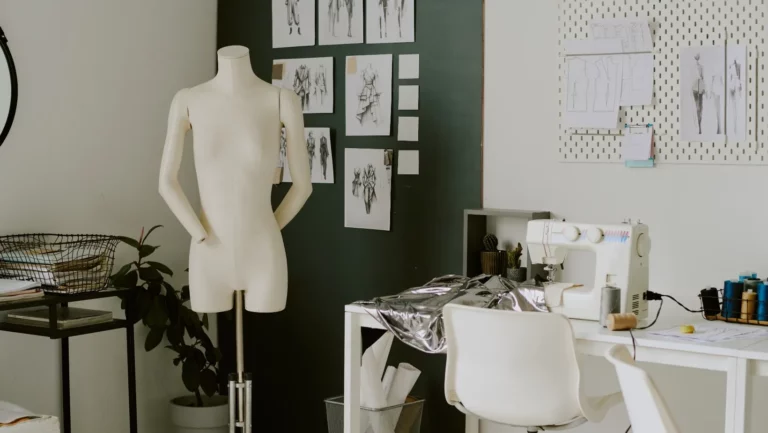
- Impact on Creation: Generative AI (GenAI) is becoming a designer's ‘co-pilot’. Instead of sketching, creative directors define concepts (e.g., ‘Gothic meets marine biology’). AI generates hundreds of variations of silhouettes, patterns, and textures in minutes, drastically shortening the product development cycle.
Meaning: From Transaction to Agency Relationship
The biggest transformation does not concern the product, but the relationship with the customer. We are moving from the era of e-commerce (e-commerce) to the era of a-commerce (agent commerce).
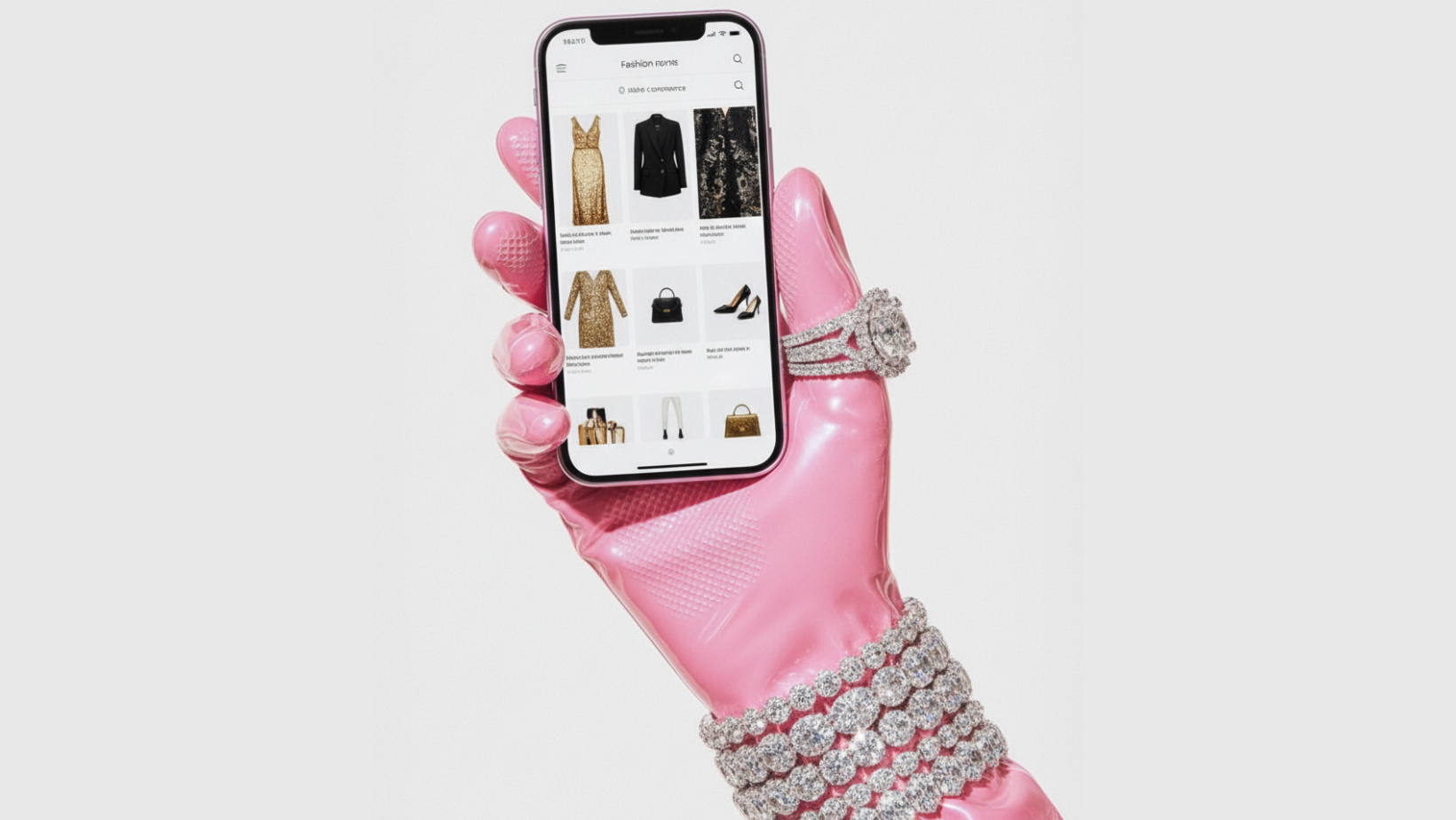
- 1:1 marketing: As The Business of Fashion emphasises, the marketing playbook for 2025 is based on radical personalisation. We are no longer talking about segments, but about individuals. AI allows campaigns to be created on the fly, tailoring not only the offer, but also the tone of communication and even the imagery (more on this below) to the consumer's psychographic profile.
- The New Normal (Agentic AI): As we analysed earlier, customers no longer want to search – they want to talk. AI assistants are becoming digital confidants who know the contents of a customer's wardrobe (thanks to scans or purchase history) and their calendar. A purchase is no longer a transaction, but a dialogue with an agent who understands the context (‘I'm going to a wedding in Tuscany, it's going to be warm, my budget is X, and my style is Y’).
Case Study: Zalando – AI Ecosystem Architecture
To understand transformation in practice, consider Zalando. Their business model has evolved from being a platform (marketplace) to being an ecosystem (fashion operating system).
- Business Model: Zalando no longer just sells clothes. It sells data, logistics and access. Its strategic advantage is its enormous collection of data on the preferences, returns and behaviour of millions of Europeans.
- Wdrożenie AI (Fakty):
- Redukcja Zwrotów (Problem Nr 1): Największym kosztem e-commerce modowego są zwroty. Zalando wdrożyło zaawansowane narzędzia AI do predykcji rozmiaru. Bazując na historii zakupów klienta i danych o produktach różnych marek, system sugeruje rozmiar z niespotykaną dotąd precyzją. W 2025 roku raportują oni znaczący spadek wskaźnika zwrotów, co bezpośrednio przekłada się na rentowność.
- „Wirtualna Przymierzalnia” i Body Scanning: Firma agresywnie inwestuje w technologię skanowania ciała za pomocą smartfona, tworząc precyzyjny awatar 3D klienta. Pozwala to na wirtualne przymierzanie ubrań, co nie tylko zmniejsza liczbę zwrotów, ale także buduje zaufanie and zaangażowanie.
- Personalizowany Storytelling: Strona główna Zalando dla każdego użytkownika wygląda inaczej. AI nie tylko dobiera produkty, ale także generuje content (np. „Twój przewodnik po stylu na ten tydzień”), tworząc iluzję intymnej relacji z osobistym stylistą.
- Significance (Analysis): Zalando uses AI not as an add-on, but as a foundation. They solve the industry's biggest problems (size, returns, decision paralysis) with technology, while making brands (which need their data) and consumers (who rely on their personalisation).
Horizon: Efficiency and its Shadow
The future, which is becoming the norm, brings with it not only promises but also challenges that require conscious observation.
- The New Normal (Production): According to Forbes, AI models are revolutionising e-commerce. Generating photorealistic avatars is cheaper, faster, and more flexible than traditional photo shoots. A brand can generate the same dress on thousands of ‘models’ of different ethnicities, sizes, and ages in a matter of hours.
- Na Co Zwrócić Uwagę (Cień):
- Utrata Autentyczności: Czy branża, która zastępuje ludzkich modeli i fotografów idealnymi, wygenerowanymi przez AI obrazami, nie traci „duszy”? Gdzie leży granica między inspiracją a syntetyczną, nierealistyczną perfekcją?
- Prywatność Danych: Model „agenta AI” wymaga od nas oddania ogromnej ilości danych – nie tylko o zakupach, ale o ciele (skany), kalendarzu i życiu prywatnym. Zaufanie staje się najcenniejszą walutą.
- Bańka Estetyczna: Jeśli AI będzie nam podsuwać tylko to, co już lubimy, gdzie miejsce na odkrycie? Na przypadek? Na bunt? Istnieje ryzyko zamknięcia konsumentów w estetycznych bańkach, co w dłuższej perspektywie zabija kreatywność.
Conclusions for the Industry
The transformation of AI in fashion is no longer a question of ‘if,’ but ‘how profoundly.’
- The New Normal: AI is invisible infrastructure. Demand prediction, generative design, and 1:1 hyper-personalisation are standard.
- What to look out for: Companies must invest immediately in data quality and AI architecture. Whoever has better data and smarter algorithms to process it will win.
- Final Reflection: The biggest challenge of 2025 is not implementing AI, but managing its significance. How can this powerful force be used to enhance human creativity and awareness, rather than just optimising conversion? The answer to this question will separate market leaders from technological imitators.







Add your first comment to this post