
Sign up for our newsletter and receive a free ebook and access to exclusive content from the world of fashion.
Join our Newsletter receive 🎁
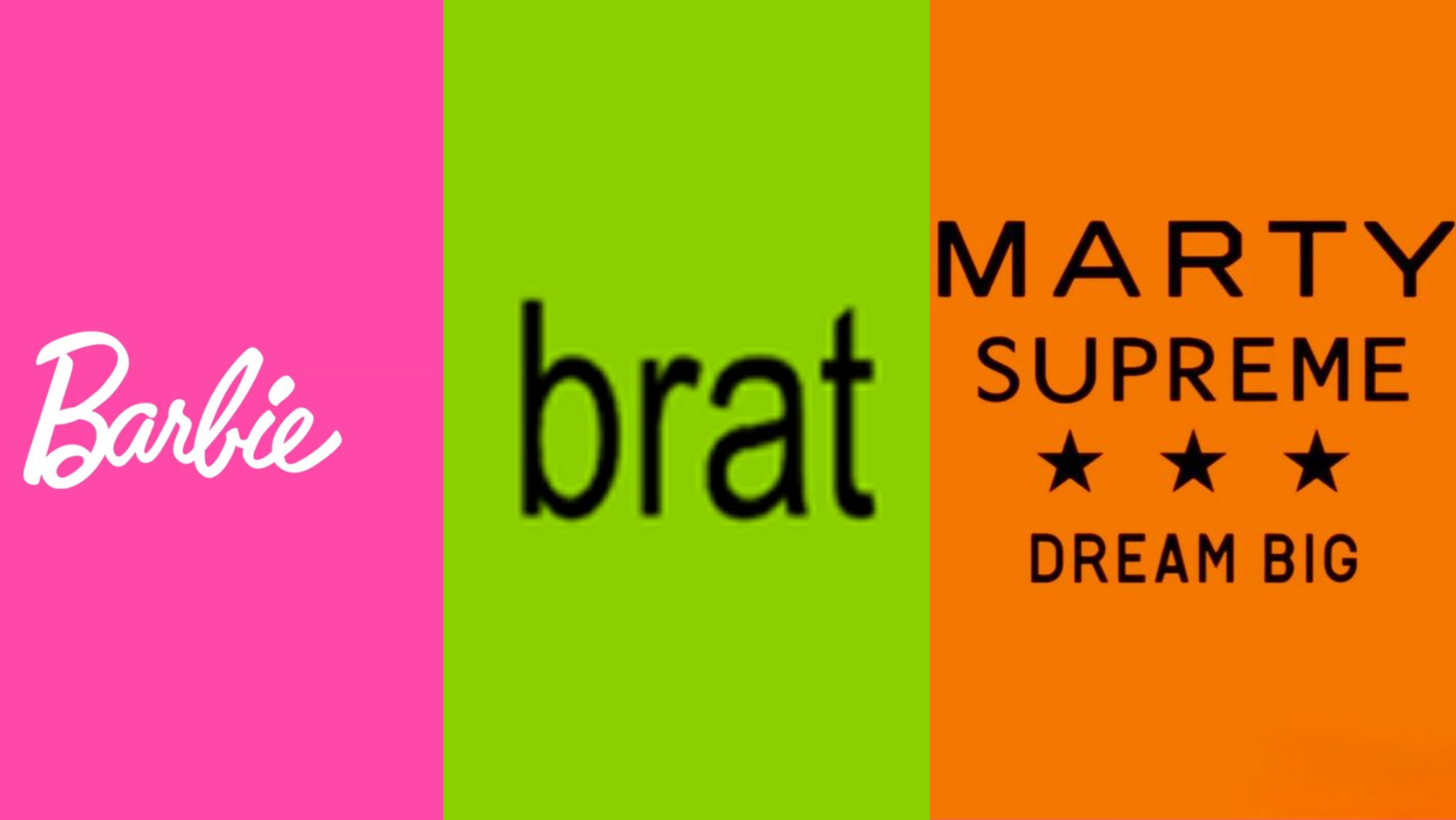
In the attention economy era, where traditional logos are giving way to instant visual signals, colour has become the most powerful strategic asset of a brand. It is no longer just a matter of aesthetics, but a precisely planned tool for building brand equity. From the hyper-corporate pink that accompanied the premiere of Barbie, through the acid, anti-aesthetic green of Brat Summer, to the upcoming nostalgic orange of the film Marty Supreme , we are witnessing the phenomenon of ‘monochromatic cultural appropriation’. The film and music industries have stopped merely telling stories; they have begun to dictate the rhythm of orders in the luxury and mass sectors, imposing visual codes on the market that Instagram and TikTok algorithms turn into global currency. We analyse how the transition from escapist pink to rebellious green and analogue orange reflects profound changes in consumer sentiment and how brands can navigate a world where colour is the new logo.
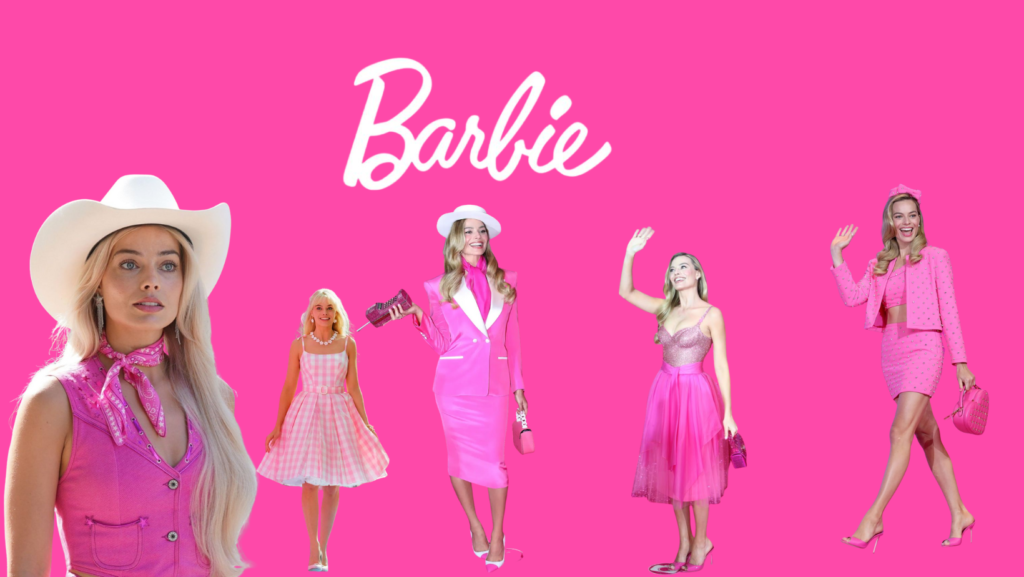
The success of Greta Gerwig's Barbie was not just a box office triumph; it was above all a masterpiece of saturation marketing, proving that in today's ecosystem of luxury and mass market, intellectual property (IP) is stronger than the product itself. Mattel, transforming itself from a toy manufacturer into an IP management giant, used a specific shade of pink – Pantone 219 C – as a visual battering ram that broke down barriers between industries.
The ‘Total Look’ mechanism
The Barbiecore phenomenon did not arise in a vacuum. Pierpaolo Piccioli laid the foundations for it in 2022 with the launch of the Valentino Pink PP collection. However, while Valentino positioned pink as a symbol of a new, inclusive elegance for the elite, the film Barbie democratised the shade, turning it into a ‘lifestyle infection’. Mattel signed over 100 licensing agreements – from luxury fashion houses to high-street giants such as Zara and Gap. The strategy was based on creating a ‘pink ecosystem’ in which consumers did not buy clothes, but a piece of a global cultural event.
IP as a new logo
From a market perspective, Barbie Pink has become a ‘logotype without lettering’. This is a key moment for IP-driven fashion: a brand no longer needs to display its name to be recognisable. All it takes is a colour signal that evokes immediate associations with specific values — in this case, escapism, optimism and pop feminism. For investors, this was a clear signal: the value of a fashion brand can now be boosted by synergies with Hollywood in an almost unlimited way.
Impact on the supply chain
The Barbie effect has forced brands to be more flexible than ever before. Analysts point out that demand for a specific shade of pink has affected global fabric and pigment stocks, highlighting a new challenge for the industry: how to manage production in line with viral trends that can fade as quickly as they appear.
If Barbie pink was the pinnacle of corporate planning, then Brother Green – an acidic, almost ‘toxic’ shade of green (Pantone 3570 C) – became its market antithesis. Chosen by British artist Charli XCX for the cover of her album Brat, this colour revolutionised the visual codes of luxury and political communication in a single season (known as Brat Summer 2024), becoming a manifesto of authenticity in contrast to a retouched reality.
The Off-Trend Strategy and Ugliness as an Asset
Charli XCX admitted in interviews that she was looking for an ‘offensive’ shade that would provoke a negative reaction. This decision was a brilliant move from a consumer psychology perspective: in a world saturated with the ‘clean girl aesthetic’, ugliness has become the new luxury. Brat Green is an ‘anti-marketing’ colour — it has nothing of a calming nature or elegance about it. It is loud, digital and intentionally ‘cheap’, which allowed it to quickly become a symbol of Generation Z's rebellion against millennial perfection.
Low-Fi Marketing and the Democratisation of Branding
Unlike Mattel, which strictly enforced the licensing of pink, Charli XCX's team opted for complete accessibility. The lack of legal protection for the colour and the use of the widely available Arial font allowed everyone – from fans to brands such as Marni and Balenciaga – to immediately ‘jump on the bandwagon’ of the trend.
This phenomenon, known as lo-fi branding, showed that in 2024, a brand's strength does not come from its inaccessibility, but from its ability to become a meme. When Kamala Harris's campaign team changed the visual setting on social media to ‘Bro Green’, the colour ultimately left the realm of music, becoming a tool for political mobilisation and a symbol of ‘new, rude energy’.
Impact on the luxury market
In the high fashion sector, this green has forced a departure from safe pastels. Designers have noticed that consumers are looking for clothes that ‘communicate attitude’ rather than just status. Brother Green has redefined the Indie Sleaze aesthetic – it is messy, party-oriented and provocative. It is a colour that does not ask for acceptance, it demands it.
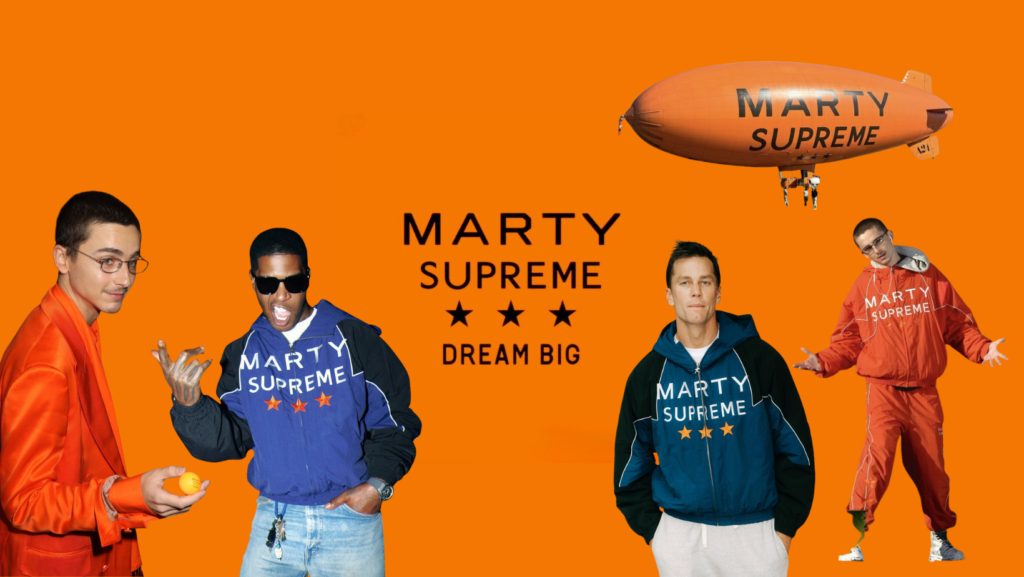
While Barbie pink was plastic and Brother green was digital, the upcoming phenomenon of Marty Supreme Orange — a colour associated with the new A24 production directed by Josh Safdie — heralds a return to analogue aesthetics. This saturated yet earthy shade of orange, inspired by the world of professional table tennis in the 1950s and 1970s (the story of Marty Reisman), becomes a symbol of longing for tangibility, texture and authentic sporting heritage.
The Chalamet Effect and the new definition of masculine luxury
Timothée Chalamet is a key accelerator of this trend. As a global style icon, Chalamet has a unique ability to translate film costumes into streetwear and red carpet fashion. Photos from the set of ‘Martha Supreme,’ featuring the actor in horn-rimmed glasses, wool waistcoats and creased trousers in shades of copper and ochre, immediately sparked a wave of interest in the Retro-Athletic style. From a market perspective, this orange is not ‘flashy’ in a viral way – it is ‘deep’ in an investment sense, which fits perfectly with the quiet luxury trend evolving towards more colourful, textural realism.
Nostalgia as a market stabiliser
Unlike the ephemeral trends on TikTok, Marty Supreme orange appeals to enduring nostalgia. Sales analyses show that consumers, tired of aggressive neon colours, are looking for colours that evoke a sense of security and continuity. Orange – the colour of clay, old film celluloid and leather sports accessories – communicates high quality and craftsmanship. Brands such as Miu Miu, Loewe and Wales Bonner are already exploring these palettes, combining sporty comfort with mid-century modern elegance.
From Ping-Pong to Lifestyle: A Sports Micro-Niche
Safdie's film has the potential to do for table tennis what Luca Guadagnino's Challengers did for tennis – turn a niche sport into a total aesthetic code. For the fashion industry, this means a new product category: luxury leisurewear that is no longer tracksuit-style, but ‘gabardine’. Orange in this edition is the link between the world of sport and sophisticated urban style, offering a freshness that is no longer found in overused pink.
Chromatic Epilogue and Forecast for 2026. From Domination to Authenticity
An analysis of colour triads – Barbie Pink, Brat Green and Marty Supreme Orange – reveals a fundamental change in the way fashion consumes culture. We have stopped operating in seasons; we have started operating in “monochromatic shock waves”. The year 2026 brings maturity to this phenomenon: colour is no longer just a trend, but a strategic asset for brand fluidity.
The end of ‘Total Domination’ in favour of ‘Chromatic Niche’: The success of Barbie pink was the last gasp of global, uniform domination. The forecast for 2026 assumes fragmentation. Instead of following a single colour, brands will strive to have their own ‘micro-frequency’ (examples include the success of Bottega Green and Ferragamo Red). The market is moving towards chromatic loyalty, where colour becomes a stronger identifier than a logo.
From Digital Noise to Analogue Substance: The transition from Brat's ‘acid’ green to Marta Supreme's ‘earthy’ orange signals a fatigue with screen aesthetics. In 2026, brands that combine colour with texture will win. It is not enough for a garment to be orange – it must have the texture of corduroy, the weight of wool or the sheen of vintage leather. The consumer of 2026 is looking for ‘colour you can feel’.
IP-Driven Fashion as the New Standard: Cinematography and music will remain the main colour laboratories. However, in 2026, collaborations will be deeper: instead of simple licences (as with Barbie), we will see capsule collections designed in parallel with the creation of a film. Fashion is becoming ‘emotional merchandising,’ and colour is its fastest conveyor.
Sustainable Development and Viral Colours: Sustainability remains the biggest challenge for 2026. How can we reconcile the viral colour life cycle (often lasting only 3-4 months) with the growing pressure for ecology and slow fashion? The answer will be ‘colourful investmentism’ – promoting colours that, despite their intensity, have the potential to become classics (such as analogue orange or deep burgundy).
In a world of excess, colour is the only language that allows brands to speak without breaking the silence.
The author analyses the fashion market through the prism of cultural changes and business strategies of the largest fashion houses.

Get the latest news from the world of fashion - trend analysis, exclusive reports and alerts on key industry events.
🎁 Gift for subscribers!.
No spam, only valuable content! We do not share your data with third parties. By subscribing, you agree with our Privacy Policy.

Add your first comment to this post